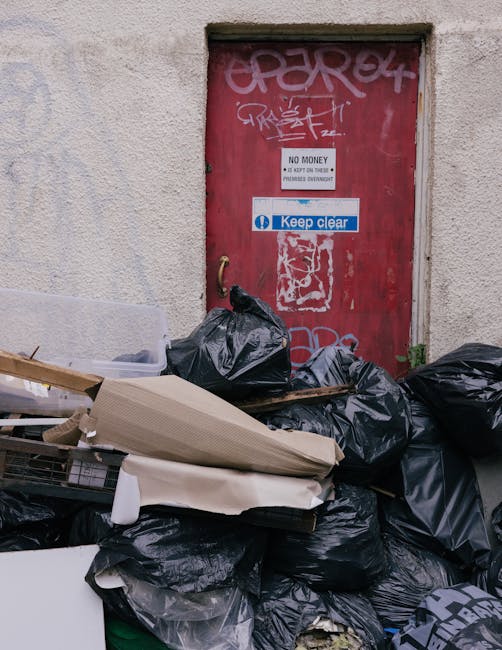
What to know about restricted access rubbish jobs Blackheath
Restricted access rubbish jobs in Blackheath can look simple on paper and turn out to be anything but. A narrow staircase, a basement flat, a shared driveway, a timed loading bay, or a property tucked behind another building can change the whole job. If you are trying to clear waste from a place where bins, trolleys, and vans do not have easy access, the difference between a smooth collection and a stressful one is usually planning. This guide explains what to know about restricted access rubbish jobs Blackheath, how they work, what makes them trickier than standard waste removal, and how to avoid the common headaches that creep in at the last minute.
Whether you are clearing a flat, an office, a loft, or a garden with awkward entry points, the aim is the same: get the rubbish out safely, efficiently, and without damage to the property or the people working in it. Sounds straightforward. In reality, the little details matter.
Table of Contents
- Why restricted access rubbish jobs matter in Blackheath
- How restricted access rubbish jobs work
- Key benefits and practical advantages
- Who this is for and when it makes sense
- Step-by-step guidance
- Expert tips for better results
- Common mistakes to avoid
- Tools, resources and recommendations
- Law, compliance, standards, or best practice
- Options, methods, or comparison table
- Case study or real-world example
- Practical checklist
- Conclusion
- Frequently Asked Questions
Why restricted access rubbish jobs matter in Blackheath
Blackheath has plenty of homes and buildings where access is not generous. That is part of the charm, really, but it creates a very practical problem when there is waste to remove. If rubbish cannot be carried out in a straight line, or if a vehicle cannot park right outside, every stage of the job becomes more sensitive: lifting, carrying, timing, parking, loading, and final disposal.
This matters because restricted access jobs are rarely just about "getting rid of rubbish". They often involve protecting walls, bannisters, flooring, door frames, or communal entrances. One awkward turn with a heavy sofa or a sack of builders' waste can leave a scuff mark that everyone notices later. If you have ever heard a thud, then a nervous pause, then that quiet "sorry" from the hallway, you will know the feeling.
It also matters because the wrong approach can cost more time and money. More labour may be needed. Special equipment may be needed. Extra parking arrangements may be needed. In some cases, rubbish has to be broken down before it can be moved. That is normal. It is not a problem, but it does need to be planned for.
For many residents, the real issue is not the waste itself. It is the access route. A narrow stairwell in a flat, a locked gate behind a terrace, a basement with steep steps, or a loft hatch in a cramped landing can all turn a basic clearance into a careful logistical job. If the property is a flat clearance or a full house clearance, restricted access is often the detail that decides how the work is priced and carried out.
How restricted access rubbish jobs work
The core process is simple enough: identify the waste, assess the access, choose the safest removal method, then load and dispose of everything responsibly. The real work begins before anyone picks up a bag. A decent clearance provider will want to understand where the rubbish is, how it reaches the collection point, whether there are stairs, whether parking is possible, and whether anything needs dismantling first.
In practice, a restricted access job often follows this pattern:
- Initial assessment - The team looks at the waste type, volume, and access route. Photos can help, but an on-site look is often better when things are tight.
- Risk check - The team considers lifting hazards, trip hazards, fragile surfaces, shared areas, and any items that may need more than one person to move.
- Method planning - The waste may be carried piece by piece, broken down, bagged, boxed, or moved using trolleys or protective handling equipment.
- Collection and loading - Items are moved carefully through the property, often in stages, with someone keeping an eye on walls, ceilings, and door clearances.
- Sorting and disposal - Reusable materials, recyclable items, and general waste are separated where possible before disposal.
For builders' rubble, plasterboard, timber, and mixed renovation debris, the access challenge can be even more noticeable. A back garden with only a side alley for entry is a very different task from a driveway collection. If that is the situation, builders waste clearance may be the more suitable route than a standard skip-based approach, especially when space is limited.
It is also worth knowing that some jobs are easier to manage when the waste is already sorted. Old furniture, for example, may be removed separately from general rubbish, and that can help with speed and recycling. In some cases, people choose dedicated furniture disposal or furniture clearance rather than trying to bundle everything into one awkward pile.
Key benefits and practical advantages
The main benefit of handling restricted access properly is not glamorous, but it is powerful: fewer problems. A well-planned collection saves time, protects the property, and reduces the odds of that classic clear-out chaos where everyone is moving things twice.
- Safer handling - Tight spaces increase the risk of injury or damage. A planned approach reduces both.
- Less disruption - Neighbours, tenants, and building users are affected less when the route and timing are organised.
- Better efficiency - The right crew size and equipment can make a difficult job feel surprisingly manageable.
- Cleaner finish - Proper loading and sorting usually leave the area tidier.
- More accurate pricing - When the access conditions are clear, quotes tend to be more realistic and less likely to change later.
There is another advantage that people do not always think about. Restricted access jobs often uncover hidden waste. In a loft, garage, or storage space, you may find damaged furniture, old boxes, soft waste, paint tins, or odd bits from previous projects. Once the access plan is set, it becomes easier to clear the whole space in one go. For that reason, many homeowners pair restricted access rubbish removal with loft clearance, garage clearance, or a broader home clearance.
Expert summary: the biggest win is not speed for its own sake. It is control. When access is awkward, control is what keeps a job predictable, safe, and properly finished.
Who this is for and when it makes sense
This kind of service makes sense for anyone dealing with rubbish in a place that is not easy to reach. That includes private homes, small businesses, landlords, letting agents, and contractors. Truth be told, a lot of people only realise they need restricted access support after they have already tried moving one heavy item themselves and thought, "Nope, not doing that again."
Common scenarios include:
- basement flats with steep stairs or narrow hallways
- upper-floor flats with shared entrances and limited landing space
- terraced houses with rear access only through a side passage or garden
- properties with no nearby parking for a vehicle
- office spaces with lift restrictions or narrow service corridors
- garden waste that has to be carried through the house rather than taken straight out
- post-renovation clearances where materials have been stacked in a tight room or corridor
If the rubbish comes from a workplace, then a commercial approach may be more suitable. A business may benefit from office clearance or business waste removal, especially if timings, building rules, or shared access are part of the picture.
Restricted access also makes sense when items are bulky but not especially valuable. Old wardrobes, broken desks, mattresses, damaged cabinets, and worn-out shelving all become more awkward when they need to be manoeuvred around corners or down tight stairs. Sometimes the item is not heavy enough to be dangerous on its own, but awkward enough to be annoying. And awkward is often the real enemy.
Step-by-step guidance
If you want the job to run smoothly, it helps to treat it like a mini project. Nothing fancy. Just a calm plan.
1. Identify the access route
Start by tracing exactly how the rubbish will leave the property. Not roughly. Exactly. Measure the narrow points if needed, and note stairs, turns, steps, gates, locked doors, and any low ceilings. The route matters more than people expect.
2. Separate the waste into categories
Try to distinguish between furniture, general rubbish, garden waste, builders' debris, and anything that may need special care. This helps with loading and disposal. It also reduces delays on the day. A mixed pile is manageable, but a sorted pile is calmer.
3. Check for items that need dismantling
Large wardrobes, metal bed frames, shelving, office desks, and some appliances may be easier to move once taken apart. A clear path is good. A smaller item is better.
4. Clear the route before collection day
Move loose rugs, plant pots, shoes, bins, bikes, and other clutter out of the way. It sounds obvious, but these small obstacles are the ones that cause trips and delays. One box left on a landing can be enough to throw off a whole carry route.
5. Share accurate access details in advance
Tell the provider about parking, permits, stairs, lift availability, shared entrances, distance from the vehicle, and any building restrictions. If there is a loading bay that only works at certain times, say so early. That kind of detail makes a real difference.
6. Protect fragile surfaces
If the property has polished floors, tight corners, painted walls, or glass panels, make sure the team knows. Good operators will plan accordingly, but they need the warning. Protective sheets, careful lifting, and a slower pace are often worth it.
7. Confirm the disposal route
Ask how the waste will be handled after collection. Reuse and recycling should be considered where possible, and hazardous or unusual materials need to be managed properly. If sustainability matters to you, a provider with a clear recycling and sustainability approach is worth looking at.
8. Leave a bit of breathing room on the day
Restricted access jobs often go best when nobody is rushing. A few extra minutes for parking, loading, or careful manoeuvring can save a lot of stress. You do not want the whole thing turning into a hallway traffic jam.
Expert tips for better results
These are the little things that make a tough job easier. Not dramatic. Just useful.
- Take photos from the access route as well as the waste pile. A picture of the rubbish alone does not tell the full story.
- Use sturdy sacks or boxes for loose waste. Small items become much easier to carry when they are contained.
- Book with enough labour for the access conditions. One extra pair of hands can save a lot of awkward shuffling.
- Keep children and pets away from the route. That sounds simple, but in a busy home it matters more than people think.
- Tell the team about hidden steps, low beams, or slippery patches. The "oh, and there's one more step" detail is exactly the sort of thing that changes the pace.
- Do not wait until the last minute to flag access issues. Last-minute surprises are where jobs get messy.
There is also a practical budgeting tip here: if the access is difficult, it can be smarter to combine waste into one planned collection rather than arrange several small ones. Multiple visits can be inefficient, especially where parking is tight or a crew has to spend time navigating the property each time.
Small truth: restricted access jobs usually go best when everyone is slightly over-prepared. Not panicked. Just prepared. That is the sweet spot.
Common mistakes to avoid
A lot of trouble comes from the same handful of mistakes. The good news? They are easy to avoid once you know them.
- Underestimating the access route - The waste may be small, but the route may be the real challenge.
- Hiding problem items - If a broken wardrobe is wedged behind six other things, say so early. No one likes surprises halfway through the job.
- Forgetting parking restrictions - A lovely clear driveway is a luxury. Many Blackheath properties do not have one, so plan for nearby access carefully.
- Ignoring building rules - Shared entrances, concierge requirements, or timed access windows can all affect the schedule.
- Choosing the wrong clearance method - Sometimes a dedicated clearance is better than a general rubbish collection, and sometimes the reverse is true.
- Leaving everything loose - Random items are harder to carry, slower to sort, and more likely to snag on corners.
One of the most common issues is a mismatch between what the customer sees and what the crew has to deal with on the day. A job may seem like "just a few bags", but those bags may need to be carried down three flights of stairs past a narrow landing and through a shared hallway. That changes things. A lot.
Tools, resources and recommendations
You do not need specialist gear for every job, but the right tools can make restricted access rubbish removal cleaner and safer. Depending on the job, a provider may use:
- heavy-duty sacks and rubble bags
- trolleys or sack trucks for stable loads
- blankets, wraps, or floor protection
- basic dismantling tools for furniture and shelving
- gloves, masks, and appropriate lifting equipment
- straps or ties for securing awkward items
From the customer side, a phone camera is surprisingly useful. A few clear photos of the items and the route can help a provider estimate labour and plan properly. A measuring tape is useful too, especially for stairwells, door widths, or loft openings.
If the job is part of a wider property clearance, it can help to look at the whole space rather than the waste pile alone. For example, a property with old furniture, general rubbish, and a full attic might be better handled as a structured clearance rather than three separate jobs. In those cases, services such as furniture clearance, loft clearance, or garage clearance can be the right fit.
And if you are comparing providers, look beyond just the headline price. Check whether they explain access issues clearly, whether they talk about loading methods, and whether they seem to understand the real-world annoyances of tight sites. You can also review practical pages such as pricing and quotes, insurance and safety, and health and safety policy to get a better feel for how a provider works.
Law, compliance, standards, or best practice
When rubbish is being removed from a restricted access site, the legal and practical expectation is that waste should be handled responsibly, safely, and with the right duty of care. In the UK, that generally means using a legitimate carrier, keeping clear records where appropriate, and making sure waste is not fly-tipped or handled carelessly.
For most readers, the key point is simple: do not leave waste with someone who cannot explain how it will be disposed of properly. If you are clearing business waste, the standard of care is even more important. Records, segregation, and responsible disposal all matter, especially where mixed materials or confidential items are involved.
Restricted access also brings ordinary health and safety best practice into sharper focus. That includes safe lifting, proper footwear, clear walkways, and not overloading carriers or bags. It may sound basic, but basic is exactly what prevents avoidable accidents. A quick visual check of the route before starting is one of the best habits in the trade.
For customers, the most useful compliance-minded step is to be honest about access conditions and to ask sensible questions before booking. Does the team know how they will manage stairs? Are they insured? What happens if an item cannot fit through the planned route? Those are practical questions, not awkward ones.
If you want reassurance about how a provider handles its responsibilities, pages such as about us and terms and conditions can also help you understand expectations before the job begins.
Options, methods, or comparison table
There is more than one way to deal with restricted access rubbish. The best option depends on the space, the type of waste, and how much handling is needed. Here is a simple comparison to make the decision easier.
| Method | Best for | Pros | Watch-outs |
|---|---|---|---|
| Manual carry-out | Small to medium jobs with narrow access | Flexible, precise, works in tight spaces | Slower for heavy loads, more labour needed |
| Dismantle and remove | Bulky furniture and awkward items | Reduces size, easier around corners | Needs time and basic tools |
| Bagged waste collection | Loose rubbish, light renovation debris, mixed household waste | Easy to sort and carry | Can be tiring if bags are overfilled |
| Planned full clearance | Flats, houses, offices, or rooms with several waste types | Efficient, tidy, often better value overall | Needs clear access details upfront |
For many restricted access jobs, the best answer is a blend of methods. A wardrobe may be dismantled, bagged waste may be carried manually, and light recyclables may be separated on site. That mix is often what makes a difficult job feel calm. Calm matters.
Case study or real-world example
Imagine a top-floor flat in Blackheath with a narrow staircase, a tight turn on the first landing, and no convenient place to park right outside. The customer needs old furniture removed, plus a stack of general rubbish from a recent declutter. On paper, it sounds like a standard collection. In real life, it is a careful carry job.
The first step would be to assess the access route and identify which items need dismantling. A bed frame and a large wardrobe might be broken down before removal. Smaller items could be bagged. The crew would need to think about protecting the stair edges and moving slowly enough to avoid scuffs on the walls. If the building has quiet hours or entry restrictions, those would need to be respected too.
Now imagine the same flat but with an extra complication: a shared hallway and a neighbour who also needs access at the same time. Suddenly timing becomes just as important as lifting. A sensible provider would stagger the loading, keep the route clear, and work in a way that minimises disruption. It is not rocket science, but it does need discipline.
That kind of scenario is very typical of restricted access rubbish jobs. The job is rarely impossible. It just needs a bit more thought than an average collection. And honestly, that is often enough.
Practical checklist
Use this checklist before the collection day. It will save you time, and probably a small amount of stress too.
- Have I clearly identified the access route from waste to vehicle?
- Have I mentioned stairs, lifts, narrow corridors, or tight corners?
- Have I shared parking details and any permit or timing restrictions?
- Have I separated furniture, rubbish, garden waste, and builders' debris where possible?
- Have I pointed out fragile floors, walls, or shared areas?
- Do any items need dismantling before removal?
- Have I removed loose obstacles from the route?
- Have I checked whether the job is better suited to a specialist clearance service?
- Have I asked about recycling, disposal, and safety arrangements?
- Have I allowed enough time for a careful collection rather than a rushed one?
If you can tick most of these off, you are in good shape.
Conclusion
Restricted access rubbish jobs in Blackheath are usually less about brute force and more about good judgement. When the route is tight, the parking is awkward, or the property layout is a bit fiddly, the best result comes from planning the move before the first item is lifted. That is the real lesson here.
Once you understand the access, choose the right method, and give accurate details upfront, the whole process becomes much easier to manage. You avoid unnecessary delays, reduce the risk of damage, and make it far more likely that the job will be completed cleanly in one visit. Not perfect, maybe. But properly done, which is what counts.
If you are comparing options for a difficult clearance, it helps to look at the wider picture too, including waste removal, the provider's approach to insurance and safety, and how they handle payment and security. A bit of careful checking now can save a lot of annoyance later.
Get a free quote today and see how much you can save.
And if the job feels messy or a bit overwhelming, that is normal. Restricted access work often looks worse before it gets better. Once the right plan is in place, things tend to settle down quickly.
Frequently Asked Questions
What counts as a restricted access rubbish job?
It is any rubbish removal job where the waste cannot be moved out easily because of narrow stairs, tight hallways, limited parking, awkward turns, shared entrances, or other access limits. The waste may be small, but the route makes it more complex.
Is restricted access rubbish removal more expensive?
It can be, because it often takes more labour, more time, or more care. That said, the exact cost depends on the route, the volume of waste, and whether items need dismantling. A clear description of the access usually helps keep quotes realistic.
Can bulky furniture be removed through a tight staircase?
Often yes, but sometimes it needs to be dismantled first. Large wardrobes, sofas, bed frames, and desks are common examples. If the route is especially narrow, the safest option is usually to reduce the item size before moving it.
What should I tell the clearance team before booking?
Tell them about stairs, lifts, parking, gates, shared corridors, narrow doors, fragile surfaces, and any time restrictions. The more accurate the details, the better the plan. A quick photo set can help too.
Do restricted access jobs take longer than standard rubbish removal?
Usually, yes. Even when the volume of waste is small, the physical route can slow things down. That is normal. It is not a problem if the job is planned properly.
Can I combine furniture, general rubbish, and garden waste in one collection?
Yes, in many cases you can. Mixed loads are common. The key is to describe the waste clearly so the provider can decide whether the job needs sorting, bagging, or separate handling for certain materials.
What if the rubbish is in a loft or garage with awkward access?
That is very common. Loft hatches, steep ladders, and cluttered garages are classic access pinch points. In those cases, a specific loft clearance or garage clearance may be the most efficient solution.
Should I dismantle items myself before the collection?
Only if you are comfortable doing so safely. Some items are easier to remove once broken down, but there is no need to force it. If in doubt, ask the provider whether dismantling would reduce cost or improve access on the day.
Is a skip a good idea for restricted access properties?
Sometimes, but not always. If there is no space for delivery or loading, a skip may be awkward or impractical. Manual collection or a planned clearance service can be a better fit for tight urban access.
How do I know if my building has special access rules?
Check with your landlord, managing agent, concierge, or building noticeboard if relevant. In many shared properties, there are quiet hours, loading restrictions, or rules about using service entrances. It is worth checking before the collection, not after.
What happens if an item does not fit through the route on the day?
A good team will usually reassess the item, consider dismantling, and look for a safer alternative. That is why honest access details matter. Most problems can be solved, but it is much easier when the issue is known in advance.
Can restricted access rubbish jobs still be environmentally responsible?
Yes. Good planning does not only make the job safer; it can also support sorting, reuse, and recycling. If sustainability is important to you, look for clear information on responsible disposal and recycling practices before you book.
When you are ready to sort the mess out properly, take the time to choose a service that understands the route as well as the rubbish. That little difference matters more than people think, and it usually shows in the final result.