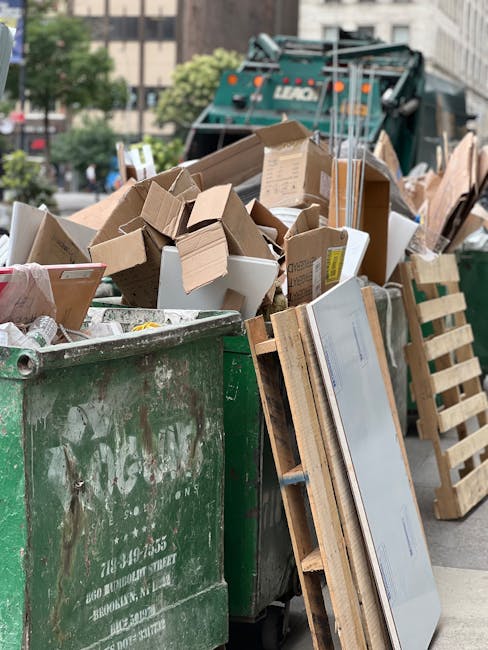
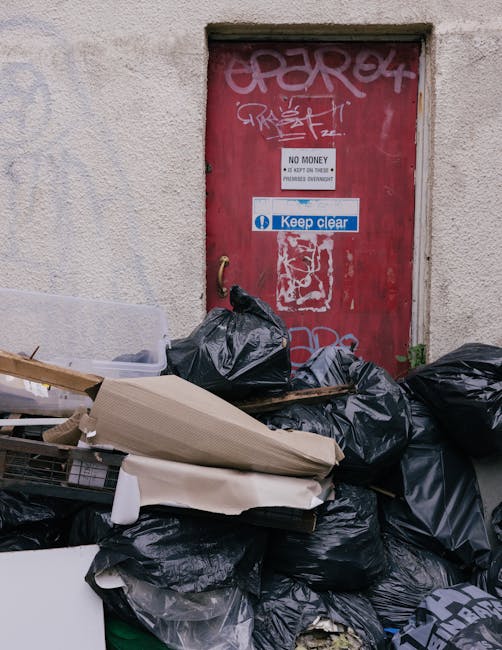
Blackheath Common green rubbish disposal and collection options
If you live, work, or manage property near Blackheath Common, green waste has a way of building up faster than you expect. One weekend it is a tidy hedge trim and a few bags of grass clippings. A week later, you have branches, leaves, weeds, and that awkward pile of cuttings sitting in the corner of the garden, getting in the way. Blackheath Common green rubbish disposal and collection options are about handling that material properly, efficiently, and without turning your driveway or front path into a temporary jungle.
This guide explains what the options are, how collection usually works, who needs it, and how to choose the right approach for your garden or property. You will also find practical tips, common mistakes, and a simple checklist so you can make a sensible decision without faffing about. Truth be told, green waste is one of those jobs that looks minor until it isn't.
Table of Contents
- Why Blackheath Common green rubbish disposal and collection options Matters
- How Blackheath Common green rubbish disposal and collection options Works
- Key Benefits and Practical Advantages
- Who This Is For and When It Makes Sense
- Step-by-Step Guidance
- Expert Tips for Better Results
- Common Mistakes to Avoid
- Tools, Resources and Recommendations
- Law, Compliance, Standards, or Best Practice
- Options, Methods, or Comparison Table
- Case Study or Real-World Example
- Practical Checklist
- Conclusion
- Frequently Asked Questions
Why Blackheath Common green rubbish disposal and collection options Matters
Green waste is not just "garden stuff". It is a stream of material that needs to be handled in a way that keeps your property safe, tidy, and manageable. Around Blackheath Common, where homes, shared gardens, small business premises, and managed outdoor spaces often sit close together, poor waste handling can quickly become a nuisance. Bags left too long can split, wet cuttings can smell, and loose branches can create a mess after a bit of wind.
Choosing the right disposal or collection route matters for a few simple reasons. First, it saves time. Second, it helps keep your outdoor space usable. Third, it reduces the risk of accidental contamination, because once green waste is mixed with general rubbish, recycling options become more limited. That is one of those small details people often miss until collection day arrives and the pile is rejected. Annoying, but avoidable.
There is also a wider environmental side to it. Managed green waste can often be processed differently from mixed household rubbish, which is why separation matters. If you are trying to keep your household routine efficient, or you are responsible for a larger property with regular garden maintenance, the right collection option can make a visible difference in how calm and orderly the place feels. A tidy garden does that, doesn't it?
For readers looking at broader property or clearance planning, it can also help to review related services such as garden clearance options and general rubbish removal services, especially if the job includes more than simple clippings and leaves.
How Blackheath Common green rubbish disposal and collection options Works
At a practical level, green waste collection is usually straightforward. You gather organic garden material, keep it separate from household rubbish, and arrange a suitable collection or drop-off route. The exact method depends on the amount, the type of waste, and how quickly you need it cleared.
Most green rubbish falls into familiar categories:
- grass cuttings
- hedge trimmings
- leaves
- small branches
- prunings
- plants and weeds
- soil-contaminated roots in limited quantities, where accepted
Not everything from the garden counts as green waste. Big timber, treated wood, stones, compostable food waste, hard landscaping debris, and mixed rubble are usually separate streams. That distinction matters. If your pile includes both plant material and broken fence panels, for example, the collection method may need to change.
There are a few common routes people use around Blackheath Common:
- Scheduled collection for regular garden maintenance.
- One-off removal after a seasonal clear-up, storm damage, or renovation.
- Bagged set-out collection where waste is prepared in manageable sacks or bins.
- Load-and-go clearance where a team removes the material from your property on the spot.
- Self-haul or drop-off when you have transport and want to handle disposal yourself.
The right option is rarely about what sounds cheapest on paper. It is about what fits the volume, the access, and your actual schedule. A tiny terrace garden with a few bags of leaves has very different needs from a larger communal garden after a full spring cutback.
Key Benefits and Practical Advantages
The biggest advantage of choosing a proper green waste collection option is simple: it keeps the work under control. That sounds obvious, but in practice it means less clutter, fewer delays, and no awkward half-finished piles sitting by the side passage for days.
Here are the benefits people usually notice first:
- Cleaner outdoor spaces - cuttings, branches, and leaves disappear before they spread across paths or patios.
- Better organisation - you can separate green material from general rubbish more easily.
- Less manual lifting later - handling waste in small, planned stages is easier than dealing with a mountain at the end.
- More predictable timing - a booked collection is easier to fit around work, family, or site access.
- Reduced nuisance - fewer bags left to rot, blow around, or attract attention from neighbours.
- Better value for larger jobs - if you have a lot of material, a proper collection service can be more efficient than multiple trips in a car.
There is also a comfort factor people do not always mention. You know that moment when the hedge is done, the grass is cut, and the garden looks almost perfect, except for the heap of cuttings? Getting that removed finishes the job properly. No half measures. That matters more than it sounds.
If you are comparing wider removal services, it may help to look at house clearance support for mixed clean-outs or same-day rubbish collection if timing is tight and you need the space cleared quickly.
Who This Is For and When It Makes Sense
Blackheath Common green rubbish disposal and collection options are useful for a lot more people than just keen gardeners. In real life, the need tends to show up in ordinary moments. The lawn has been cut back after a wet spell. The front hedge is finally trimmed. The landlord wants the garden tidy before a tenancy handover. Or maybe the whole thing has built up after a few weeks away and now it needs sorting in one go.
This is especially relevant if you are:
- a homeowner with a small or medium garden
- a landlord preparing a property for new tenants
- a letting agent coordinating outdoor tidy-up work
- a business owner responsible for exterior planting or frontage
- a caretaker or facilities contact for a shared outdoor area
- someone clearing up after pruning, landscaping, or seasonal maintenance
It also makes sense if access is awkward. Some properties around Blackheath Common have narrow side paths, shared entrances, or limited parking. That can make self-haul a bit of a headache. In those cases, a collection arranged for your property is often the calmer option, even if you could technically move the waste yourself.
And yes, sometimes the choice is simply about energy. If you have already spent a Saturday wrestling with thorny branches and damp bags of leaves, you may well decide the disposal part is better left to someone else. Fair enough, really.
Step-by-Step Guidance
If you want to handle green waste properly, the process is easier when you break it into a few sensible steps. No drama, no guesswork.
- Identify the waste type
Check what you actually have. Green waste is usually organic garden material. Mixed rubbish, wood, soil, broken planters, and fencing may need separate handling. - Estimate the volume
A few bin bags is very different from several bulky branches or a full garden clear-out. Volume helps determine the best collection method. - Separate it early
Keep green waste apart from household rubbish, rubble, and recyclables. Once mixed, it becomes harder to process. - Make the pile manageable
Cut long branches down if you can, bundle lighter material, and avoid overfilling bags. Good prep saves time later. - Check access
Think about whether a vehicle can get close enough, whether there are steps, and whether someone needs to be home. - Choose the most suitable collection route
Regular service, one-off collection, or full garden clearance? Pick the one that matches the real job, not the ideal version in your head. - Schedule the collection
Seasonal surges happen, especially after a weekend of growth or windy weather. Booking sooner is usually easier than waiting until the pile has doubled. - Prepare the set-out area
Leave bags or piles in a safe, accessible place. Keep paths clear. It sounds minor, but it helps everything go smoothly.
A small practical tip: if the waste is damp, let it drain a little before bagging where possible. Wet clippings weigh more and can tear weak bags. A soggy mess at the front gate is never a nice surprise. Been there, seen it, cleaned it up.
Expert Tips for Better Results
Most problems with garden waste are not dramatic. They are little planning issues that snowball. The good news is that a few small habits make the whole thing much easier.
- Don't wait until the pile is overwhelming. Smaller, more frequent disposal is usually easier to manage.
- Bundle thorny or awkward material separately. Rose cuttings, brambles, and sharp branches can slow down handling.
- Keep green waste dry if you can. It is lighter, neater, and less likely to split bags.
- Think in "collection-ready" terms. If it would be awkward for you to pick up, it may be awkward for collection too.
- Mixing is the enemy. One stray sack of general waste can complicate the whole load.
- Book around your actual work pattern. Early mornings, school runs, or access restrictions can make a big difference.
One thing people often underestimate is seasonal timing. After a burst of growth in spring, garden waste can appear almost overnight. Then autumn rolls in, and leaves seem to arrive by the binful. If you plan collections around those natural peaks, you avoid the last-minute panic. Much nicer all round.
If the job is part of a larger property refresh, you may also find commercial waste support useful for mixed site waste, or office clearance services if the outside work is tied to an internal tidy-up and relocation.
Common Mistakes to Avoid
It is easy to get green waste handling almost right. The trouble is that "almost" often means delay, extra cost, or a second round of work. A few common mistakes come up again and again.
- Putting everything in one pile. Green waste mixed with rubble, wood, or general rubbish can stop a load being handled as intended.
- Overfilling bags. Heavy bags split. Then you are chasing leaves across the path at 8am. Not ideal.
- Leaving it too late. Wet material breaks down quickly and becomes more awkward to move.
- Forgetting access details. Low gates, locked side entrances, and parking restrictions can trip up even a straightforward collection.
- Assuming all garden waste is accepted equally. Different services may have different rules for branches, soil, or contaminated material.
- Using the wrong container. Thin sacks or unstable boxes can collapse during handling.
Another quiet mistake is underestimating how much waste a small job creates. A hedge trim looks tiny until the clippings are all on the ground. Then suddenly it is three times the volume you expected. Happens all the time.
Tools, Resources and Recommendations
You do not need a shed full of specialist kit, but a few basic tools make green waste disposal much simpler. The right setup saves time, keeps the work tidy, and reduces strain on your back. Which, let's face it, is not something to ignore.
| Tool or resource | What it helps with | Best use |
|---|---|---|
| Heavy-duty garden bags | Containment and carrying | Leaves, clippings, light prunings |
| Pruning shears | Reducing branch size | Hedges, shrubs, smaller woody growth |
| Rake or leaf scoop | Gathering loose debris | Autumn clear-ups and lawn cuttings |
| Wheelbarrow | Moving waste to a collection point | Larger gardens or heavier loads |
| Tarpaulin | Temporary staging | Keeping material together before collection |
| Labelled containers | Waste separation | Keeping green waste away from mixed rubbish |
For more complex clearances, it often helps to think beyond the garden itself. If you are disposing of mixed materials from a move, a refurbishment, or a wider declutter, it may be worth reviewing waste collection services and skip hire options to see which route fits the project best.
One sensible recommendation: keep a dedicated "green waste spot" in the garden or driveway. It does not need to be fancy. Just a clear, dry place where everything waits for collection. That small habit cuts down on mess more than people expect.
Law, Compliance, Standards, or Best Practice
Green waste disposal is not the most complicated area of waste handling, but there are still common-sense rules and standards to respect. In the UK, it is generally best practice to keep waste streams separate wherever possible, because mixed loads are harder to reuse or process. That applies to garden waste as much as anything else.
If you are responsible for a rented property, shared residence, business frontage, or managed site, you should also think about duty of care in plain English terms: do not leave waste where it can become a hazard, do not dump it where it might blow away, and do not assume somebody else will sort it out later. That approach tends to end badly.
For larger or regular clearances, professionalism matters. Safe lifting, sensible loading, correct sorting, and good access planning are not just nice extras. They are part of doing the job properly. And while this article avoids making legal claims that depend on exact site circumstances, the general principle is clear: keep materials separated, use reputable disposal routes, and avoid anything that looks like fly-tipping or careless abandonment.
If you are unsure whether a particular load is suitable as green waste, err on the side of caution. Soil-heavy roots, treated timber, and mixed garden rubbish may need a different solution. That kind of judgement call is often what separates a smooth collection from a messy one.
Options, Methods, or Comparison Table
There is no single best method for everyone. The right choice depends on how much waste you have, how quickly you need it removed, and how much lifting or sorting you want to handle yourself.
| Option | Best for | Pros | Trade-offs |
|---|---|---|---|
| Regular garden waste collection | Ongoing maintenance | Predictable, tidy, simple | May not suit one-off bulky jobs |
| One-off collection | Seasonal clear-outs | Flexible, convenient, fast | Usually better for occasional jobs than repeated small amounts |
| Self-haul | People with transport and time | Direct control, useful for smaller loads | Requires effort, fuel, and manual loading |
| Full garden clearance | Overgrown gardens or larger projects | Handles mixed outdoor debris in one go | Not always necessary for light maintenance work |
If your garden work is light and routine, a simpler collection route may be enough. If the job includes tangled branches, old pots, and years of accumulated debris, full clearance may be the cleaner decision. There is no prize for making the job harder than it needs to be.
Case Study or Real-World Example
Imagine a typical terrace garden near Blackheath Common after a late spring tidy-up. The hedge has been cut back, the lawn has been trimmed, and the borders have been weeded. The result is not a mountain of waste, but it is enough to be awkward: four tied bags of clippings, two bundles of branches, and a heap of leaves collected from the corner where everything seems to gather.
The homeowner could try to fit all of it into a car over two trips. That means lifting damp bags, checking the boot liner, and probably brushing leaves off the floor mats later. Or they could arrange a simple collection, keep the waste separated, and have the space cleared in one go. The second option tends to win once people see the actual volume laid out.
We see this kind of decision point all the time. The job is not huge, but it is just big enough to become irritating. A well-timed collection turns it from a nagging chore into something that is done and out of the way. Simple, really.
Practical Checklist
Use this quick checklist before arranging Blackheath Common green rubbish disposal and collection options:
- Have I separated green waste from general rubbish?
- Do I know whether the load includes soil, wood, or mixed materials?
- Is the waste bagged, bundled, or otherwise manageable?
- Do I know how much volume I am dealing with?
- Is access clear for collection or loading?
- Have I checked whether the collection is one-off or ongoing?
- Have I removed anything sharp, heavy, or unsuitable from the pile?
- Is the waste in a dry, visible place that is easy to reach?
- Do I need a simple collection or a fuller garden clearance?
- Have I set a realistic time to get the job done?
Quick expert summary: If the waste is mostly clean, green, and easy to reach, a straightforward collection is usually the smartest route. If it is mixed, bulky, or tied to a wider clear-out, it is worth stepping back and choosing a more complete service. That small bit of planning saves a lot of bother later.
Conclusion
Blackheath Common green rubbish disposal and collection options are really about making outdoor maintenance easier, cleaner, and more manageable. Whether you are clearing a few bags after a hedge trim or dealing with a bigger seasonal pile-up, the key is to separate waste properly, choose the right method, and avoid making the job harder than it needs to be.
Handled well, green waste does not become a problem at all. It becomes a routine task, one that you can plan around and clear without stress. And there is something quietly satisfying about that final cleared space, especially on a bright London morning when the garden suddenly looks like itself again.
Get a free quote today and see how much you can save.
When the last bag is gone and the path is clear, it really does feel like a small weight has lifted.
Frequently Asked Questions
What counts as green waste near Blackheath Common?
Green waste usually includes grass cuttings, hedge trimmings, leaves, weeds, small branches, and other organic garden material. If it includes rubble, treated wood, or general household rubbish, it may need a different disposal route.
Can I mix green waste with general rubbish?
It is better not to. Mixed waste can be harder to process and may limit recycling or disposal options. Keeping it separate from the start is usually the simplest and safest approach.
Is one-off collection better than regular garden waste pickup?
It depends on your needs. Regular collection suits ongoing maintenance, while one-off collection is often better for seasonal clear-outs, overgrown gardens, or occasional big jobs.
How should I prepare garden waste for collection?
Bag or bundle it neatly, keep it dry if possible, remove obvious non-green items, and place it somewhere easy to access. The easier it is to lift and load, the smoother the job tends to go.
What if my garden waste includes branches and heavy cuttings?
Thicker branches and dense cuttings may need to be bundled or treated as part of a larger clearance. If the load is bulky, it is worth checking the best collection method before you start moving everything around.
Do I need a full garden clearance or just a collection?
If the waste is mostly loose green material, a collection may be enough. If the garden also has mixed debris, old pots, timber, or years of build-up, full clearance is often the better fit.
How can I avoid bad smells or mess from green rubbish?
Do not leave wet cuttings in open piles for too long. Bag them promptly, keep them dry if you can, and arrange collection before they start breaking down. That makes a surprisingly big difference.
Is self-hauling green waste worth it?
Sometimes, yes. If the load is small and you already have transport, self-haul can work well. But if the waste is heavy, awkward, or you are short on time, a collection service is usually more convenient.
What is the biggest mistake people make with garden waste?
The most common mistake is mixing waste streams. Once green waste is mixed with rubbish, wood, or rubble, the whole job becomes more complicated than it needed to be. A close second is underestimating how much waste the job will create.
When is the best time to arrange a green waste collection?
As soon as the pile is clearly bigger than you want to handle yourself. In practice, that often means after pruning, after a seasonal tidy-up, or when wet weather has made the material harder to manage.
Can green waste be collected after a landscaping job?
Yes, often it can, but landscaping jobs frequently create mixed material as well as green waste. Soil, turf, roots, and timber offcuts may all need to be assessed separately, so it helps to sort the pile before booking.
What should I do if access is awkward?
Measure the route, check for narrow gates or steps, and be clear about where the waste will be placed. If access is tight, a collection arranged for the property can still work well with the right planning.
How do I know whether my waste is suitable for a standard collection?
If it is mostly clean plant material and easy to handle, it is usually straightforward. If you are unsure about soil content, timber, or mixed debris, it is best to treat it cautiously and choose the more suitable disposal option.