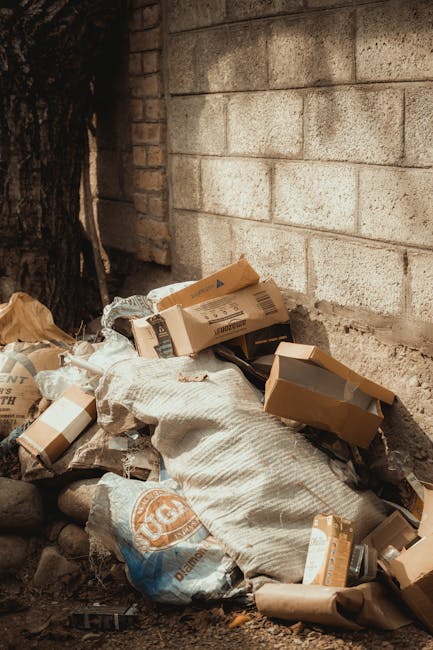
Avoid hidden rubbish removal fees in Blackheath: a practical guide to fair, transparent rubbish removal
If you have ever booked rubbish removal and then felt that little stomach-drop when the final bill was higher than expected, you are not alone. Hidden charges can creep in through access fees, labour extras, minimum-load rules, or vague pricing that sounded fine on the phone but changed on the day. This guide is here to help you avoid hidden rubbish removal fees in Blackheath by showing you what to ask, what to watch for, and how to compare quotes properly without the guesswork. It is written for real people dealing with real mess, whether that is a garage full of old bits, a flat clearance, or a one-off house clearance.
To keep things practical, we will break down how pricing usually works, where surprise costs come from, and how to protect yourself before anyone turns up with a van. And yes, we will keep it plain English. No fluff.
Table of Contents
- Why Avoid hidden rubbish removal fees in Blackheath Matters
- How Avoid hidden rubbish removal fees in Blackheath Works
- Key Benefits and Practical Advantages
- Who This Is For and When It Makes Sense
- Step-by-Step Guidance
- Expert Tips for Better Results
- Common Mistakes to Avoid
- Tools, Resources and Recommendations
- Law, Compliance, Standards, or Best Practice
- Options, Methods, or Comparison Table
- Case Study or Real-World Example
- Practical Checklist
- Conclusion
- Frequently Asked Questions
Why Avoid hidden rubbish removal fees in Blackheath Matters
Blackheath has its own rhythm. You have period homes with tight staircases, flats with awkward access, narrow parking, and the usual London reality of time pressure. That combination makes rubbish removal a service where pricing details matter more than people expect. A cheap headline quote can look brilliant until you discover there is an extra charge for carrying items down three flights of stairs, waiting for parking, or removing awkward waste that was not listed at the start.
Hidden fees matter for three simple reasons:
- They distort the real cost. A low starting price is not useful if the final amount is much higher.
- They create stress on the day. Nobody wants to argue over a bill while the van is outside and the hallway is full of boxes.
- They make comparisons meaningless. If one quote includes labour and disposal while another excludes both, you are not comparing like for like.
In practice, the biggest problem is not always the price itself. It is the lack of clarity. Good providers should be able to explain what is included, what might change the quote, and what happens if the load turns out to be larger than expected. That sounds basic, but it is where many customers get caught out. Truth be told, a clear quote often saves more money than a bargain price ever will.
This is especially relevant for mixed clearances. For example, a home clearance may include furniture, bagged waste, bric-a-brac and a few bulky items, all of which can affect labour time and disposal costs. The same goes for garage clearance jobs, where a quick look can hide twenty years' worth of clutter behind one old bike and a stack of paint tins.
How Avoid hidden rubbish removal fees in Blackheath Works
The safest way to avoid hidden rubbish removal fees in Blackheath is to understand how most reputable companies build a quote. Normally, pricing is based on a mix of volume, weight, waste type, labour, access, and disposal route. That is the honest version. The less honest version is a vague estimate that gets stretched later with add-ons.
Here is how pricing usually works when it is done properly:
- Initial enquiry. You describe the waste, the location, access, and timing.
- Quote assessment. The provider estimates volume, handling effort, and whether any specialist disposal applies.
- Booking confirmation. You are told what is included and what might change the price.
- On-site check. The team confirms the load before removing anything.
- Final invoice. The amount should match the agreed scope, unless you requested extra items or services.
Where do hidden charges tend to appear? Usually in the grey areas: "additional man power", "difficult access", "heavy waste", "non-standard items", "waiting time", or "estimated volume exceeded". Some of these can be legitimate in the right circumstances. The issue is not the existence of extra charges; it is whether you were told about them in advance.
If you are booking a larger clearance, especially something like a house clearance or a flat clearance, it is worth asking how the company handles mixed loads, stair carries, and items that cannot be reused. Those details affect the quote far more than most people realise.
Expert summary: The cheapest quote is not always the best quote. The best quote is the one that clearly explains what you are paying for, what is excluded, and what would trigger a change.
Key Benefits and Practical Advantages
Transparent rubbish removal pricing gives you more than peace of mind. It makes the whole job smoother, faster, and easier to plan around. In real life, that matters.
- Better budgeting. You know the likely total before the team arrives.
- Fewer disputes. Clear terms reduce awkward conversations on collection day.
- Faster decisions. You can compare providers with confidence.
- Less disruption. The job is less likely to stall because of a pricing disagreement.
- More trust. Clear pricing often reflects a more organised operation overall.
There is also a practical side to this for households and businesses alike. For a home project, hidden fees can throw off your renovation budget. For commercial waste, they can mess with month-end costs, especially when you are arranging regular business waste removal or planning an office clear-out. Nobody wants a simple clearance turning into a budget headache. Nobody.
Another overlooked benefit is speed. When the quote is clear, the crew can get on with the work. No back-and-forth, no "oh, that will be extra", no standing around in the cold while someone recalculates. That is the kind of detail you appreciate when the van has already blocked half the drive and you are trying to get on with your day.
Who This Is For and When It Makes Sense
This matters for almost anyone booking waste collection in Blackheath, but some situations are especially prone to hidden costs.
Homeowners clearing out a property
If you are tackling a full clear-out, inherited contents, or a long-overdue declutter, ask for a written scope. A quote for a few bags is not the same as a quote for wardrobes, mattresses, and mixed junk from the loft. A loft clearance in particular can look straightforward until the team discovers narrow access and heavier items tucked behind insulation boards and old storage crates.
Landlords and letting agents
Tenancy changeovers can be rushed. The flat is empty, the keys are in hand, and someone says, "just get it gone." That urgency is where vague pricing sneaks in. If you are arranging a clearance for a rental property, make sure you know what is included and whether stair carries or timed access windows could affect the bill.
Small businesses and offices
Office moves, refurbishments, and downsizing jobs can generate mixed waste streams: desks, filing cabinets, cardboard, packaging, and IT clutter. If the provider does not separate labour from disposal clearly, the invoice can get messy. For these jobs, a clear conversation around office clearance or ongoing business waste makes a big difference.
Builders and trades
Construction and renovation waste often brings extra variables: rubble, timber, plasterboard, and heavy bags. If you are booking builders waste clearance, ask whether the quote changes for dense material, mixed loads, or restricted access. Heavy waste is where "cheap" can suddenly become not cheap at all.
So yes, this guide is for anyone who wants certainty. But it is especially useful if you are short on time, dealing with bulky items, or simply tired of being overcharged for a service that should be straightforward.
Step-by-Step Guidance
If you want to avoid hidden rubbish removal fees in Blackheath, follow a simple process. Nothing fancy. Just disciplined enough to keep things clear.
- List everything you want removed. Be specific. "A few bits" is not enough. Include furniture, bags, white goods, garden waste, and anything heavy or awkward.
- Take photos from different angles. A few clear images help a provider estimate the load, access, and labour correctly.
- Describe access honestly. Mention stairs, narrow doorways, parking issues, basement steps, or rear-garden access. Do not downplay it. That usually backfires.
- Ask what the quote includes. Labour, loading, disposal, congestion, parking, and VAT if applicable should all be clear before booking.
- Ask what could change the price. Good companies will explain the triggers for adjustments instead of hiding them in small print.
- Request written confirmation. A short email or message is enough. It does not need to be formal, just clear.
- Check timing and cancellation terms. If you need to reschedule, know whether there is a fee.
- Confirm payment method and invoice details. You want the end payment to match the agreed work, not an improvised number with a shrug attached to it.
One practical tip: if you are unsure whether an item counts as standard or specialist waste, ask before the team arrives. A single mattress, a sofa, or a set of old office chairs may be priced differently from bagged household rubbish. Better to ask now than negotiate in the rain at 8:30 in the morning. Small win, but a real one.
If you are dealing with mixed household items, it can also help to explore the difference between furniture clearance and furniture disposal. That distinction matters when you want to know whether items may be reused, recycled, or treated as waste-only removal.
Expert Tips for Better Results
There are a few habits that consistently reduce the chance of hidden fees. These are simple, but they work.
- Get the quote based on volume and access, not just "a van load". A van load is too vague unless the provider defines it clearly.
- Separate items into categories. Mixed loads can be fine, but it helps to note bulky furniture, bagged waste, and heavy materials separately.
- Ask about loading time. A team may price a quick kerbside pickup differently from a full property clearance.
- Clarify whether dismantling is included. Flat-pack furniture, wardrobes, sheds, and bed frames often need extra labour.
- Check for minimum charges. A small job can still carry a base rate, so it is worth knowing that upfront.
- Use photo quotes where possible. They are not perfect, but they reduce ambiguity.
In our experience, the people who get the cleanest pricing are the ones who overshare a little at the start. Not in a dramatic way. Just enough. "There are three wardrobes, two fridges, some bags in the loft, and parking is awkward." That level of detail is gold. It lets the company price properly instead of guessing and then compensating later.
Another useful habit is to ask whether the company works with a clear pricing policy and payment process. That is where pages like pricing and quotes and payment and security matter in real life, because they show whether the business has thought carefully about transparency and customer confidence.
Common Mistakes to Avoid
Most hidden fee problems start with one of these mistakes. The good news? They are easy to avoid once you know them.
- Accepting a verbal estimate with no detail. If it sounds too loose, it probably is.
- Forgetting to mention access issues. A rear alley, top-floor flat, or no-parking street can affect labour costs.
- Assuming everything is covered. Not every quote includes heavy lifting, dismantling, or disposal of specialist items.
- Comparing a full-service quote with a bare-bones one. That is apples and pears, really.
- Leaving items outside the original scope. Adding "just one more sofa" can change the price if it was not quoted for.
- Ignoring terms and conditions. It is not the most thrilling read, sure, but it may explain the fee structure.
A smaller mistake, but one that still causes friction, is assuming the cheapest quote is somehow "neutral" or "fair" by default. It may be. But it may also be a low entry price that depends on extras. That is why you should always read the quote as a whole, not just the big number at the top. Honestly, that one habit saves a lot of annoyance.
Tools, Resources and Recommendations
You do not need specialist software to get this right. A few simple tools are enough.
- Phone camera. Use it to photograph the waste, access route, and any awkward items.
- Notepad or checklist. Write down what is included in the quote so you can compare providers later.
- Room-by-room list. Helpful for larger jobs like home clearances or loft clear-outs.
- Messages or email. Keep a written record of the quote and any promises made.
- Measurements. For bulky furniture, rough dimensions help avoid surprise charges.
When choosing a provider, look for signs of a well-run service. Clear communication. Straight answers. Sensible paperwork. A willingness to explain their process without making you feel silly for asking basic questions. That last bit matters more than people admit.
If you want to understand a business a little better before booking, pages like about us, insurance and safety, health and safety policy, and recycling and sustainability can give useful reassurance about how the company operates and handles waste responsibly.
For people who need help with different types of waste, it is also worth matching the service to the job. A waste removal service may suit mixed rubbish and bulky items, while specialist clearances can be better for furniture, gardens, offices, or garages. The right fit often means fewer surprises.
Law, Compliance, Standards, or Best Practice
Without getting too legalistic, it is sensible to remember that waste removal in the UK comes with responsibilities. Householders and businesses should use reputable operators and make sure waste is handled, transported, and disposed of properly. If a provider seems evasive about where waste goes, that is a red flag. Not always a deal-breaker, but definitely something to question.
For businesses, the standard should be even higher. Keep records, check invoices, and make sure the service aligns with your own duty of care. For domestic customers, the practical takeaway is simpler: choose a company that is clear, insured, and happy to explain its process. A proper paper trail is not glamorous, but it is useful if anything needs checking later.
Best practice also includes honest quoting, transparent pricing, and realistic expectations. If a company promises every collection will be one flat fee regardless of load, access, weight, or labour, pause for a second. Real-world waste jobs are rarely that tidy. There is usually a catch, even if it is tucked away in the phrasing.
Options, Methods, or Comparison Table
Different rubbish removal setups suit different situations. Here is a simple comparison to help you think it through.
| Option | Best for | Pros | Watch out for |
|---|---|---|---|
| Fixed quote after photos | Most household and small business jobs | Clearer pricing, fewer surprises | Needs accurate photos and description |
| On-site estimate before loading | Mixed or hard-to-assess waste | Flexible, useful for awkward jobs | Price may change if the load differs |
| Per-load or volume-based pricing | General waste removal | Simple to understand when defined well | Must be explained carefully to avoid ambiguity |
| Labour-plus-disposal pricing | Large or heavy clearances | Breaks costs into parts | Check whether extras are already included |
For many readers, the photo-based fixed quote is the safest option because it gives the best balance of certainty and flexibility. That said, if you have a more complex job, a home visit or a detailed call may be more accurate. It depends on the mess you are dealing with, and let's face it, some messes are a bit more complicated than others.
Case Study or Real-World Example
Picture a typical Blackheath Saturday morning. A family is clearing out a loft before building work starts. There are old suitcases, broken chairs, a few bags of clothes, a bedside cabinet, and some odd bits that have lived up there so long nobody can remember putting them there. The first quote they receive sounds excellent, but it is based on "roughly one van load". No mention of stairs, no note about dismantling the cabinet, and no mention of what happens if the load turns out bigger.
They ask for a more detailed quote instead. They send photographs, explain the access, and list the items properly. The second quote is slightly higher, but it is also clearer. It includes loading, disposal, and the labour needed to carry items down from the loft. On the day, the job runs smoothly. No awkward debate. No surprise add-on. Just the work being done and the space being cleared.
That is the point, really. The "cheaper" quote was only cheaper until the hidden extras appeared. The better quote was the one that matched reality. And in clearance work, reality tends to win. It always does.
Practical Checklist
Use this checklist before booking any rubbish removal service in Blackheath.
- Have I listed every item that needs removing?
- Have I taken clear photos of the waste and access route?
- Have I mentioned stairs, parking, or narrow entrances?
- Do I know whether labour, loading, and disposal are included?
- Have I asked what would count as an extra charge?
- Have I checked whether dismantling is included?
- Do I know the payment method and invoice process?
- Have I kept the quote in writing?
- Have I compared the quote against another provider on the same basis?
- Do I understand the cancellation or rescheduling terms?
If you can tick all of those off, you are in a much stronger position. Not perfect, because life is rarely perfect, but strong enough to avoid most nasty surprises.
Conclusion
To avoid hidden rubbish removal fees in Blackheath, focus on clarity before booking and confirmation before collection. That really is the core of it. Describe the job properly, ask direct questions, insist on a written quote, and make sure the provider explains what is included and what might change the price. When you do that, you protect your budget and make the whole process calmer from the start.
Whether you are clearing a loft, sorting out an office, removing old furniture, or booking a full property clearance, transparent pricing is worth more than a flashy headline number. A good service should feel straightforward, not mysterious. And if it feels mysterious, that is probably your answer.
Get a free quote today and see how much you can save.
Choose the provider that tells you the truth early, and you will usually end up with less stress, less waste, and a lot more peace of mind. Nice and simple, which is how it ought to be.
Frequently Asked Questions
How do I spot hidden rubbish removal fees before I book?
Look for vague wording, missing details, and quotes that do not mention labour, access, disposal, or extra charges. If the provider cannot explain the price clearly, treat that as a warning sign.
Is the cheapest rubbish removal quote usually the best one?
Not necessarily. The cheapest quote can become expensive once extras are added. A more transparent quote is often better value because it is easier to trust and compare.
What should be included in a rubbish removal quote?
At minimum, the quote should explain what items are included, whether labour and loading are covered, how access affects the price, and whether disposal costs are already included.
Do stairs or difficult access really change the price?
Yes, they often can. Carrying waste down stairs, through tight hallways, or from a property with poor parking can take longer and require more labour.
Should I send photos before getting a quote?
Yes, if possible. Photos help the provider estimate the volume, access, and type of waste more accurately, which reduces the chance of pricing surprises later.
Can a rubbish removal company charge extra on the day?
They may charge extra if the actual job is different from what was described. The key question is whether those possible extras were explained clearly beforehand.
What if I have mixed waste, furniture, and bulky items?
Tell the provider exactly what you have. Mixed loads can be fine, but bulky furniture, heavy items, and specialist waste may affect the price and the handling required.
Is written confirmation really necessary?
Yes. A short written confirmation is one of the easiest ways to avoid misunderstandings. Even a simple email can help if there is any disagreement later.
How can I avoid paying for waste I did not mention?
Be specific from the start. Include everything you want removed, even the awkward little extras. People often forget items in lofts, sheds, cupboards, or behind doors.
What is the safest way to compare two rubbish removal companies?
Compare them on the same basis: similar photos, similar access details, similar items, and similar service scope. If one quote includes labour and disposal while another does not, the comparison is not fair.
Do I need to worry about recycling or where the waste goes?
Yes, at least to the extent of choosing a provider that handles waste responsibly. A reputable company should be able to explain its recycling and disposal approach in plain terms.
When should I choose a full clearance service instead of basic rubbish removal?
If you are clearing a whole property, a loft, a garage, or a large volume of mixed items, a dedicated clearance service is often more practical and easier to price accurately.